

What is Creatine?
Creatine occurs naturally in the body, and up to 95% of it is stored in the skeletal muscles which we use to move and exercise[4]. Creatine for building muscle involves supplementation for optimal gains and performance enhancement.
Creatine increases energy in the muscles essential for muscle building and strength. Research suggests that it is especially useful for high intensity weight lifting, but has many other benefits too.
Is Creatine Natural?
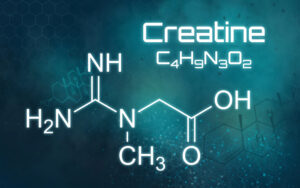
Creatine is completely natural, and cannot be compared to performance enhancing drugs like steroids as many misconceive. Creatine is much more comparable to protein than a drug. It organically occurs in the body, is present in food, and is constructed from three amino acids.
The body naturally creates creatine from L-arginine, glycine, and L-methionine[1]. Creatine supplements are made in a lab, but result in the same molecule. Unlike proteins which form peptide bonds used as a “building block of muscle” for muscle protein synthesis, creatine forms phosphocreatine and is stored as an energy buffer in muscles[4].
Primary Creatine Benefits
-
- Improved Strength
- Improved Muscle Size
- Improved Athletic Performance
- Improved Recovery
- Improve Cognitive Performance
How Does Creatine Work for Building Muscle?
Research suggests that creatine is useful in muscle building because it can improve athletic performance, muscle strength, muscle mass, and recovery[10][12]. Creatine is also a helpful addition when trying to gain weight with a high metabolism.
Creatine supplements increase energy production for muscles, including glycogen stores and ATP resynthesis capacity, enhancing power during exercise[1][9]. This increase in energy results in increased performance and output. Increased output can help build new muscle tissue for larger, stronger muscles.
Most sources suggest that creatine supplementation results in the most significant physical gains when taken along with high-power exercises such as weightlifting and sprinting as opposed to endurance exercises such as long-distance running, while some preliminary results suggest creatine can potentially improve heart health too[11].
Biological Explanation of Creatine Creation
The body can create creatine from dietary protein, including these amino acids: arginine, glycine, and methionine[1]. To create creatine, the AGAT enzyme combines arginine and glycine to form guanidinoacetate, which is converted into creatine by the enzyme GAMT[6].
After creatine is created by the body, it is delivered through the bloodstream to muscle tissues by a creatine transporter protein directed by the SLC6A8 gene[7].
Creatine is converted into phosphocreatine inside the cells, which supports rapid, short-term energy demands, especially by skeletal muscles during intense exercise. When creatine breaks down, creatinine is excreted as a byproduct by the kidneys[6].
How Much Creatine Should I Take Per Day To Build Muscle?
Most research suggests that taking 3-5 grams of a creatine supplement per day is ideal. 3-5 grams is enough to increase creatine stores and see performance and muscle improvements. However, it’s low enough of a dose to avoid gastrointestinal discomfort [13].
When Should I Take Creatine?
You can take creatine before, during, or after exercise, as all will help increase creatine levels in the muscles. Some research surprisingly suggests that taking it right after exercise might be the most effective[13].
One study conducted in 2025 suggests that it doesn’t make much of a difference whether or not creatine is taken on training days only or every day after 3 months[3]. This study is limited by its sample size, and most sources do suggest to take it daily to keep muscle stores high.
Creatine may also be better absorbed by the body if taken with simple carbs with high glucose levels, such as bread, potatoes, or rice[1].
How Long Does Creatine Take to Work?
With a loading phase, creatine will take about a week to fully saturate the muscles. Without a loading phase- starting with and maintaining 3-5 grams a day- creatine will take about 3 weeks to feel the full effects[2]. This is because creatine takes time to build up in the muscles.
Should I Load Creatine for Building Muscle?
It’s up to you if you want to load creatine. Long-term, it doesn’t make much of a difference. Short-term, however, it will cause the muscles to become fully saturated with creatine more quickly.
For a loading phase, you can take up to 20 grams a day for 5 days and no more than 7. This will fully saturate the muscles with creatine quickly and cause more immediate effects. The 20 grams should be split up throughout the day to avoid digestive issues. After that, take 3-5 grams as a maintenance dose[14].
Alternatively, the loading phase causes some people’s stomach to be upset, and is not necessary for long term benefits. If you start with 3-5 grams a day and continue with that dose, you will get the same great benefits of creatine.
Are There Risks to Taking Creatine?
Creatine is safe at recommended doses for healthy people. However, people with diseases and disorders including kidney disease, liver disease, or diabetes may be at risk for adverse effects. It’s important to talk to a doctor before taking creatine or any other supplements[8].
Supplements don’t require FDA approval in the United States[12], and regulations differ across countries. Therefore, it’s important to make sure you’re getting a trusted product.
You can find creatine brands that are lab tested to prove they have no banned substances and contain the ingredients on the label at Informed Sport or NSF Sport.
Does Creatine Have Side Effects?
Most people do not notice negative effects, though some people do. The most common side effects of creatine in healthy people involve gastrointestinal symptoms. This includes nausea, stomach aches, and diarrhea.
Most of the time, these side effects can be reduced by lowering the dose and/or splitting up doses throughout the day[13].
Are There Different Types of Creatine Supplements?
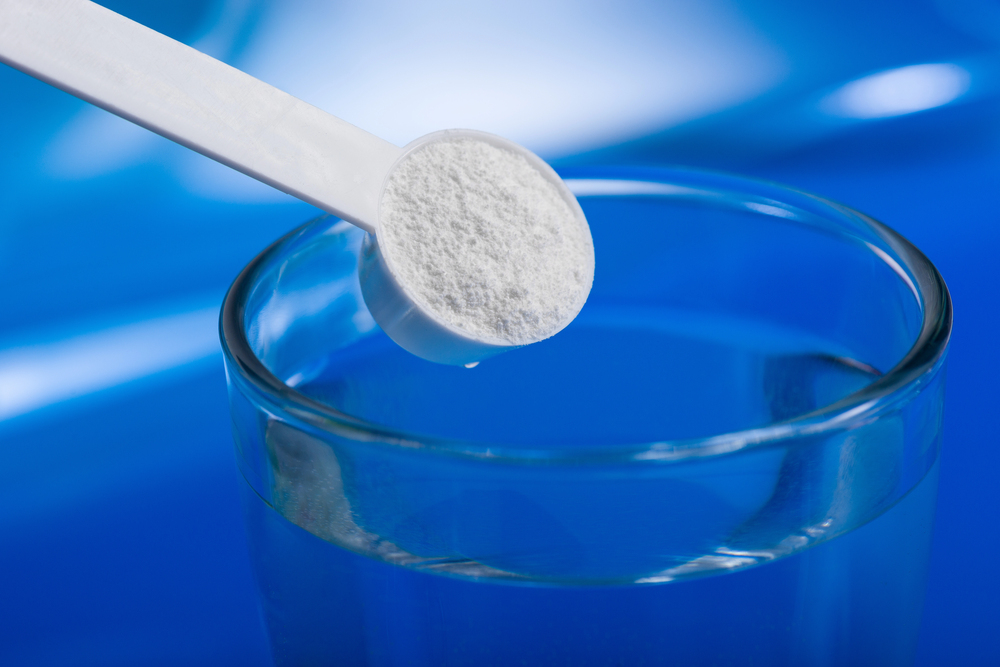
The most common, affordable, and studied form of creatine is creatine monohydrate. Creatine monohydrate also comes in a micronized form which mixes more easily in water as it is highly water soluble.
Creatine hydrochloride (HCl) is another less common, less studied, and more expensive option which may cause less bloating and water retention.
Creatine supplements are typically made available as a water soluble powder, but it can also come in other forms such as capsules and gummies.
Do You Really Need Creatine Supplements?
You don’t need them, but most healthy, active people would benefit from them as dietary creatine may not be sufficient for optimizing gains. For people who lift weights or do sports, their energy needs and muscular demands are much greater than people who live sedentary lifestyles.
Essentially, people looking to bulk, increase strength, and/or improve performance would likely benefit from creatine supplements.
Not only does creatine help increase power output and muscle growth, but it can also increase recovery by helping satellite cells heal microtears and increase water content in muscle cells. There is also some speculation that it may be able to increase anabolic hormones such as human growth hormone[8].
Food Highest in Creatine
Animal protein is the most significant source of creatine in the diet. Meat such as beef, pork and fish are the best sources; these can provide a considerable amount of creatine and the amino acid building blocks for creatine[5].
According to an article published in Essentials of Sports Nutrition and Supplements, the following is how many grams of creatine are in the following meats by the pound (g/lb):
Herring (fish): 3.0-4.5
Salmon (fish): 2.0
Pork (pig): 2.3
Beef (cow): 2.0
Tuna (fish): 1.8
One important detail to note is that overcooking meat can reduce creatine levels[5]. Creatine is heat sensitive, so over-exposure to heat will cause it to break down to creatinine. Creatinine is a byproduct and not useful to the body. For example, a medium-rare steak will contain more dietary creatine than a well-done steak.

Other Benefits of Creatine
Aside from directly supporting athletic performance, there’s emerging research that suggests creatine has other benefits such as increased cognitive performance, improved mental health[11], and reduced stress levels. These can indirectly impact performance and gains due to their effects on motivation and liveliness during workouts.
Research suggests that creatine supplements may improve short-term memory and intellectual reasoning of healthy people[6]. Some research suggests that creatine can reduce stress and help facilitate healthy aging both mentally and physically.
Supplemental creatine can arguably be considered an important nutrient for vegetarian weightlifters as they do not receive an ideal amount from the diet for an optimal bulk[1][6].
Conclusion
Creatine supplements have a variety of benefits such as improved athletic performance, increased muscle mass, increased strength, and improved cognition. Creatine is a naturally occurring compound in the body made from amino acids. You can consume dietary creatine by eating animal meat, such as beef, fish and pork. Weightlifters looking to build muscle benefit from additional creatine in the form of creatine monohydrate supplements.
As we are certified personal trainers, medical advice is outside of our scope of expertise. We suggest you talk to your primary care provider and/or a nutritionist before starting any supplements. This article is for information purposes only.
References
[1] EBSCO CAM Review Board. (2025). Creatine as a therapeutic supplement. Salem Press Encyclopedia of Health.
[2] Dabbs, R. (2025). Creatine doesn’t work immediately – here’s when you’ll feel the full benefits. Men’s Health UK. https://www.menshealth.com/uk/nutrition/a69673455/how-long-does-creatine-take-to-work/
[3] Quiroz, I., Forbes, S. C., Hayes, T., Bermúdez, F., Szinavel, A., Campos, C., Méndez, P., Pino de la Fuente, F., Pérez de Tudela, C., Reyes, Á., Ticozzi, B., Jorquera, M., Gómez-López, J., Candow, D. G., & Monsalves-Álvarez, M. (2025). Creatine monohydrate ingested daily compared to only on training days on body composition, muscle thickness, and strength after 12 weeks of resistance training: Preliminary results. Journal of the International Society of Sports Nutrition, 22(sup2). https://doi.org/10.1080/15502783.2025.2550197
[4] Farshidfar, F., Pinder, M. A., & Myrie, S. B. (2017). Creatine Supplementation and Skeletal Muscle Metabolism for Building Muscle Mass- Review of the Potential Mechanisms of Action. Current protein & peptide science, 18(12), 1273–1287. https://doi.org/10.2174/1389203718666170606105108
[5] Rasmussen, C., Greenwood, M., Kalman, D., & Antonio, J. (2008). Nutritional supplements for endurance athletes. In J. Antonio & D. Kalman (Eds.), Essentials of sports nutrition and supplements (pp. 193–214). Humana Press. https://doi.org/10.1007/978-1-59745-231-1_11
[6] Avgerinos, K. I., Spyrou, N., Bougioukas, K. I., & Kapogiannis, D. (2018). Effects of creatine supplementation on cognitive function of healthy individuals: A systematic review of randomized controlled trials. Experimental gerontology, 108, 166–173. https://doi.org/10.1016/j.exger.2018.04.013
[7] National Library of Medicine. (2015). SLC6A8 gene. MedlinePlus Genetics. U.S. National Library of Medicine. https://medlineplus.gov/genetics/gene/slc6a8/
[8] Cleveland Clinic. (2023). Creatine: What it does, benefits, supplements & safety. Cleveland Clinic. https://my.clevelandclinic.org/health/treatments/17674-creatine
[9] van Loon, L. J., Murphy, R., Oosterlaar, A. M., Cameron-Smith, D., Hargreaves, M., Wagenmakers, A. J., & Snow, R. (2004). Creatine supplementation increases glycogen storage but not GLUT-4 expression in human skeletal muscle. Clinical science (London, England : 1979), 106(1), 99–106. https://doi.org/10.1042/CS20030116
[10] Wu, S. H., Chen, K. L., Hsu, C., Chen, H. C., Chen, J. Y., Yu, S. Y., & Shiu, Y. J. (2022). Creatine Supplementation for Muscle Growth: A Scoping Review of Randomized Clinical Trials from 2012 to 2021. Nutrients, 14(6), 1255. https://doi.org/10.3390/nu14061255
[11] Kreider, R. B., & Stout, J. R. (2021). Creatine in Health and Disease. Nutrients, 13(2), 447. https://doi.org/10.3390/nu13020447
[12] LeWine, H. E. (2024). What is creatine? Potential benefits and risks of this popular supplement. Harvard Health Publishing. https://www.health.harvard.edu/exercise-and-fitness/what-is-creatine-potential-benefits-and-risks-of-this-popular-supplement
[13] Ribeiro, F., Longobardi, I., Perim, P., Duarte, B., Ferreira, P., Gualano, B., Roschel, H., & Saunders, B. (2021). Timing of Creatine Supplementation around Exercise: A Real Concern?. Nutrients, 13(8), 2844. https://doi.org/10.3390/nu13082844
[14] Harris, R. C., Söderlund, K., & Hultman, E. (1992). Elevation of creatine in resting and exercised muscle of normal subjects by creatine supplementation. Clinical Science, 83(3), 367–374. https://doi.org/10.1042/cs0830367