
Introduction
These easy knee strength exercises and recovery stretches can be used by weightlifters and runners to stabilize and prevent injuries to knees. Although some stretches may seem random, we promise they are relevant, and we will tell you why:
Around 21% of injuries caused by weightlifting are knee injuries[1]. It is important to view the body as a holistic kinetic system rather than isolated parts. Knee injuries can be caused by poor form or overtraining, but they can also be caused by other factors including but not limited to both muscle tightness and weakness of muscles related to leg movement, such as the hamstrings, quads, hip flexors, and especially tight calves. Additionally, those muscles are the primary movers of the knee joint.
On top of adequate rest and proper form, strengthening and stretching commonly neglected areas will aid in preventing avoidable weightlifting related injuries like tendonitis, and running injuries such as runner’s knee.
Knee Strengthening Exercises
Perform each exercise for 10-12 repetitions, or integrate into your own mobility plan or workout regimen as desired.
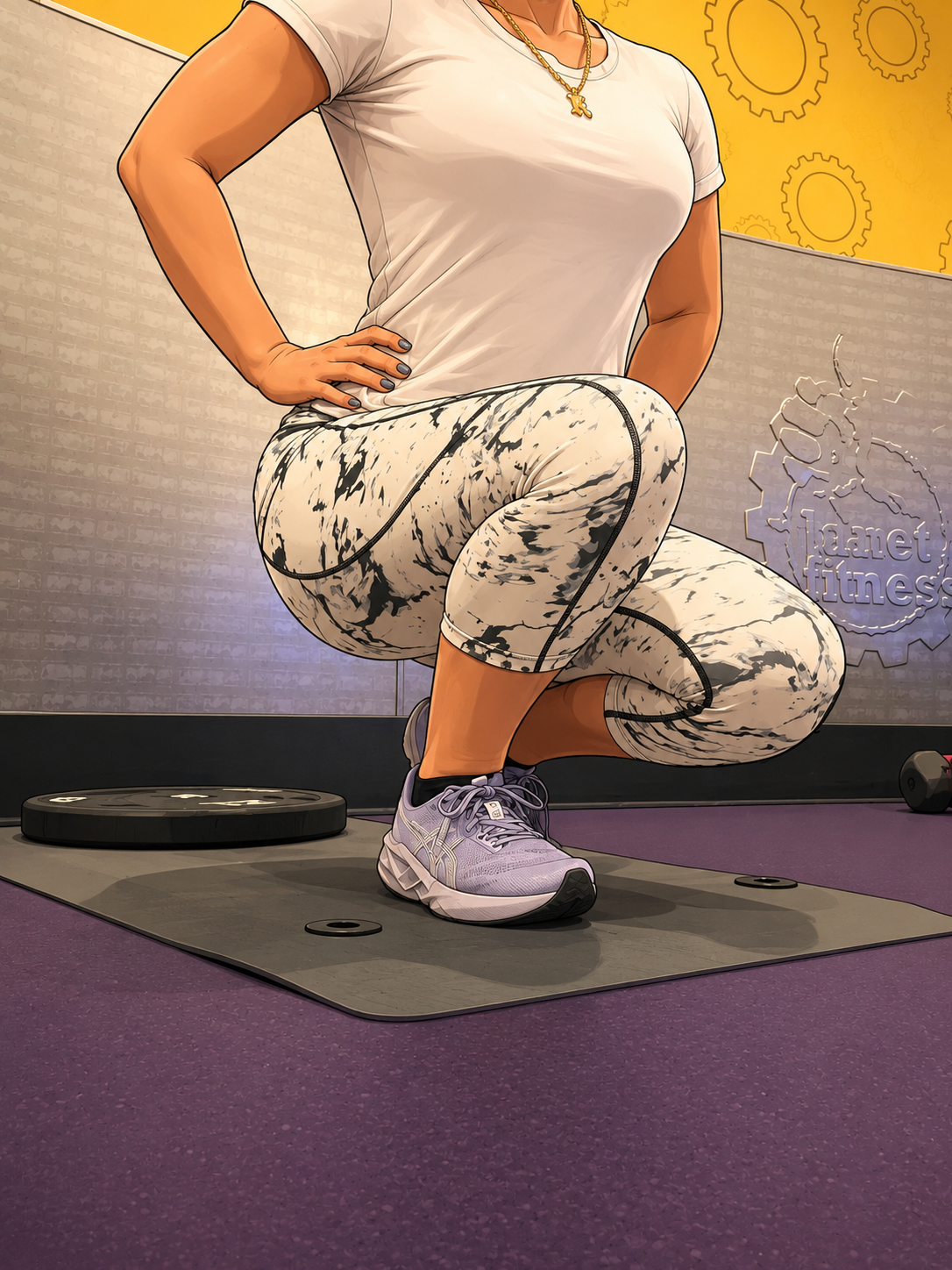
Forward Lunges
Fun fact: This exercise is performed in Army preparatory drills for its efficacy in warming up the body and injury prevention. Although you may have heard that knees should never go over toes, this advice is more relevant for weightbearing exercises such as heavy squats. It is not true in all case, and this exercises (as with many other mobility-focused body-weight exercises) is more effective with the front knee a bit over the toe if it can be performed without pain. Start with the front heel 3-6 inches in front of the back toe.
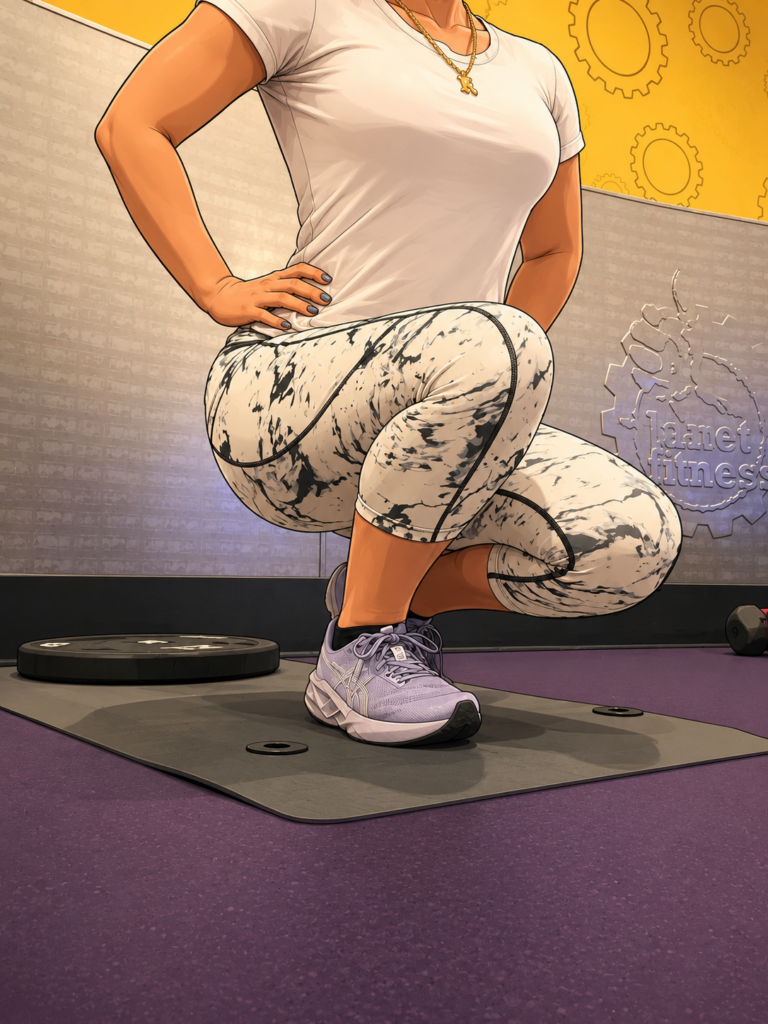
Elevated Calf Raises
This exercise is like regular calf raises, but with the toes on a platform to get more depth and a deeper stretch at the bottom of the exercise. This exercise can also be done on a bench, or with no elevation at all. Make sure the movement on the way down is slow and controlled for optimal gains.
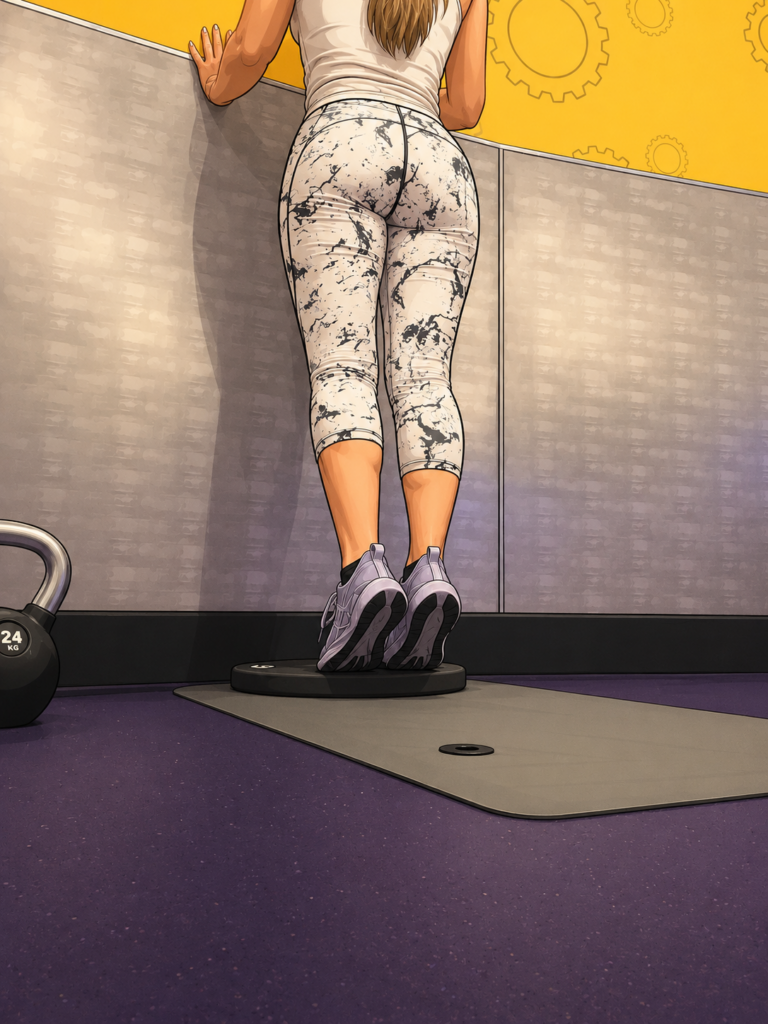
Single Leg Elevated Calf Raises
This exercise is the same as above, but with a single leg to place more emphasis on stability and balance. Use a wall or chair for support if needed.
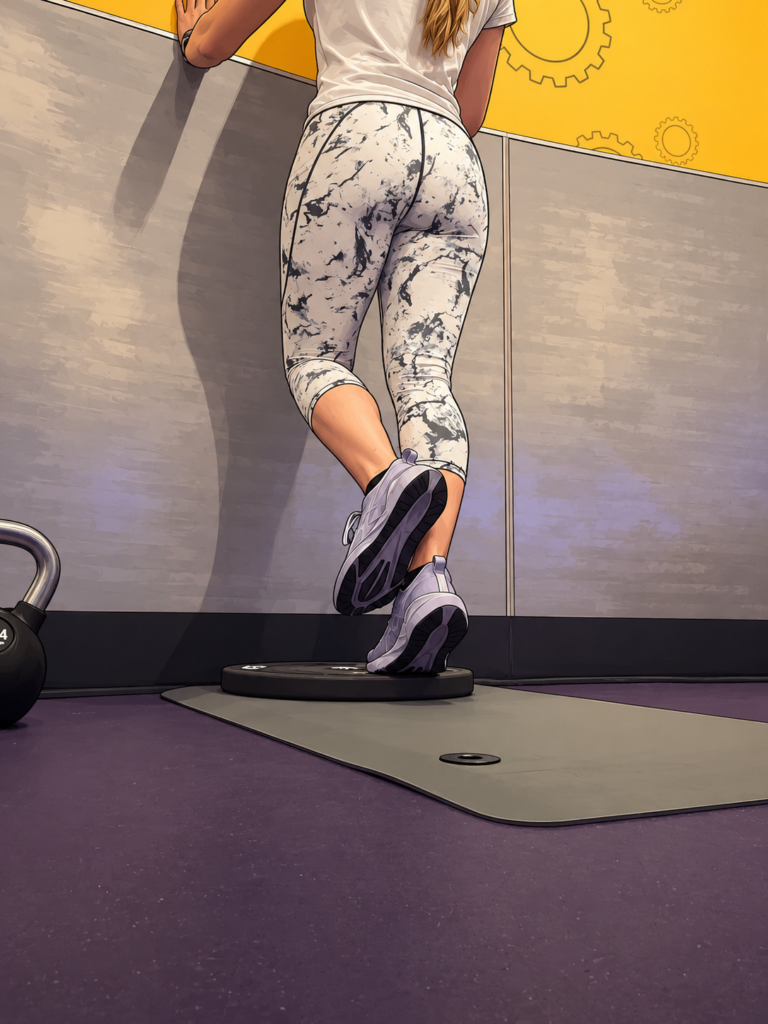
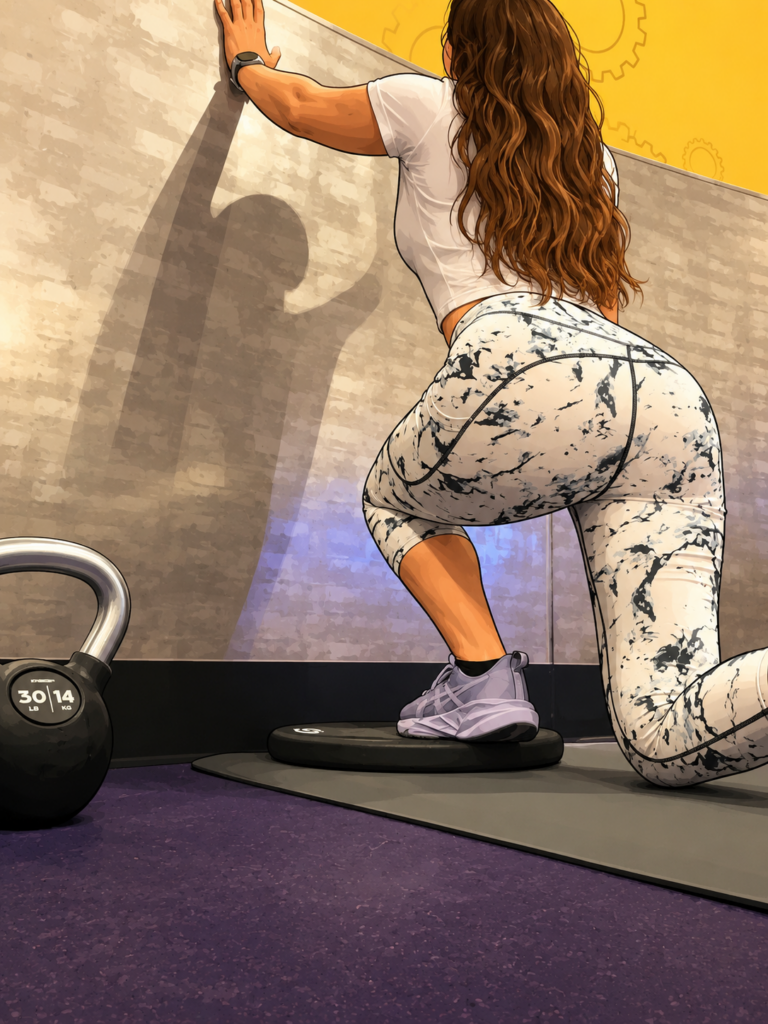
Elevated Reverse Lunges
This common exercise uses elevation for more depth in the front knee, ankle, and stretch in the hip flexors. Hold the wall for stabilization, or put your hands on your hips or head for more of a challenge.
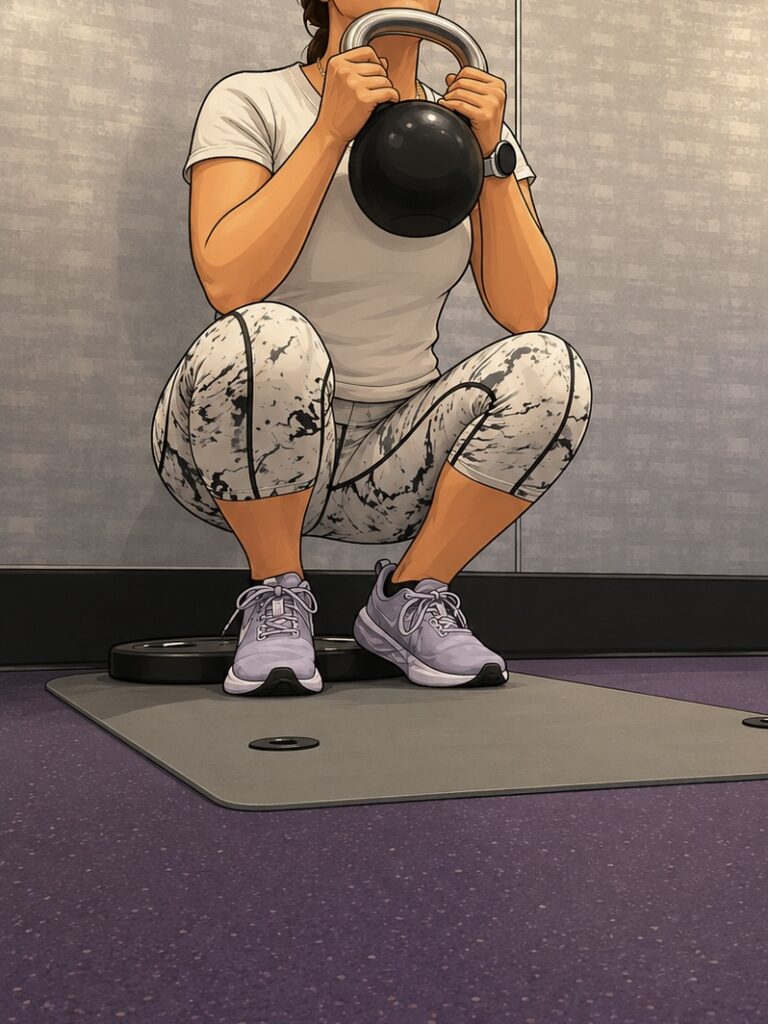
Goblet Squats
Goblet squats are a popular total body exercise, but are also good for controlled knee movement. Stand at a comfortable hip-width apart, and use your body weight, a dumbbell, or a kettlebell in the front of your body.
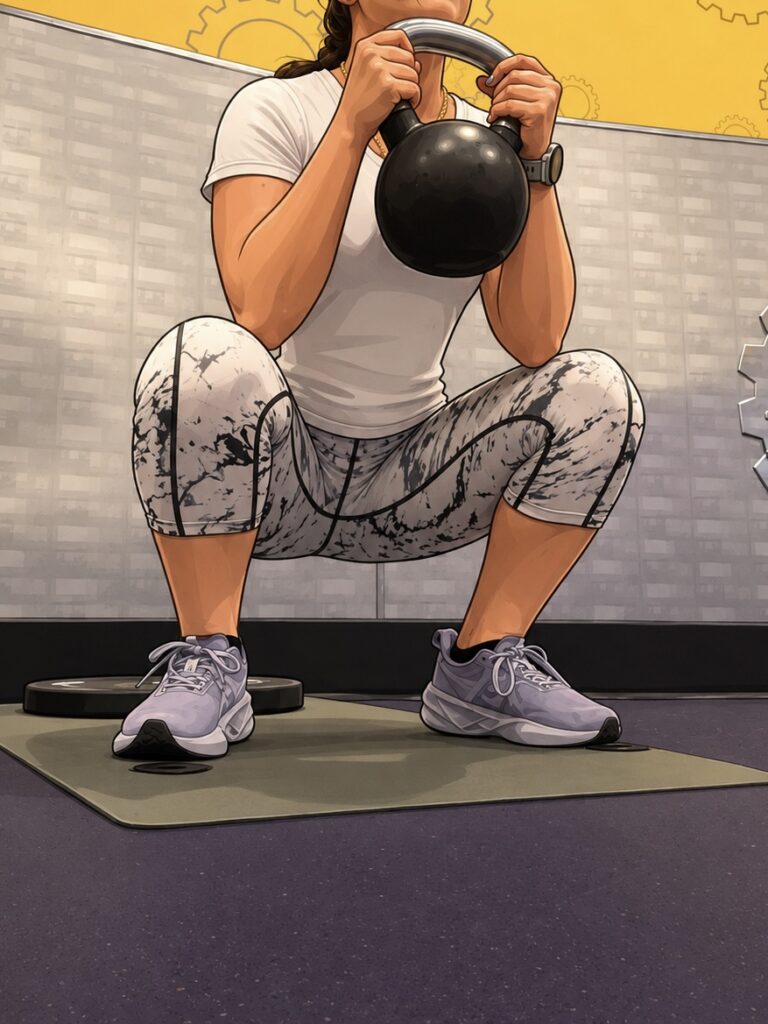
Elevated Goblet Squats
This exercise is the same as above, with heels elevated on a plate or another object that is a couple of inches in height for a deeper stretch. You may also find that the knees travel forward with less effort.
Tight Muscle Stretches
Perform each stretch for 20-30 seconds, or as desired.
Lying Hip Rotation
Hip immobility can negatively influence how the thighs move and knees track during squats, deadlifts, running, etc. which this dynamic stretch can help with. Lay on your back with your feet at least hip width apart and knees bent. Rock your knees side to side.
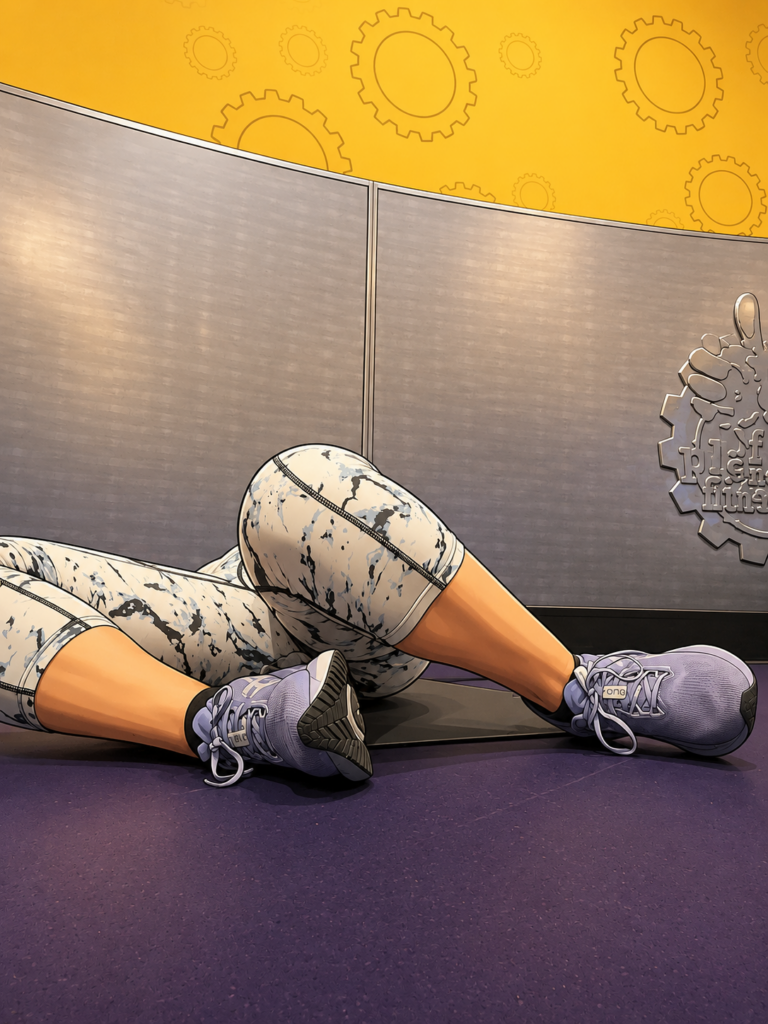
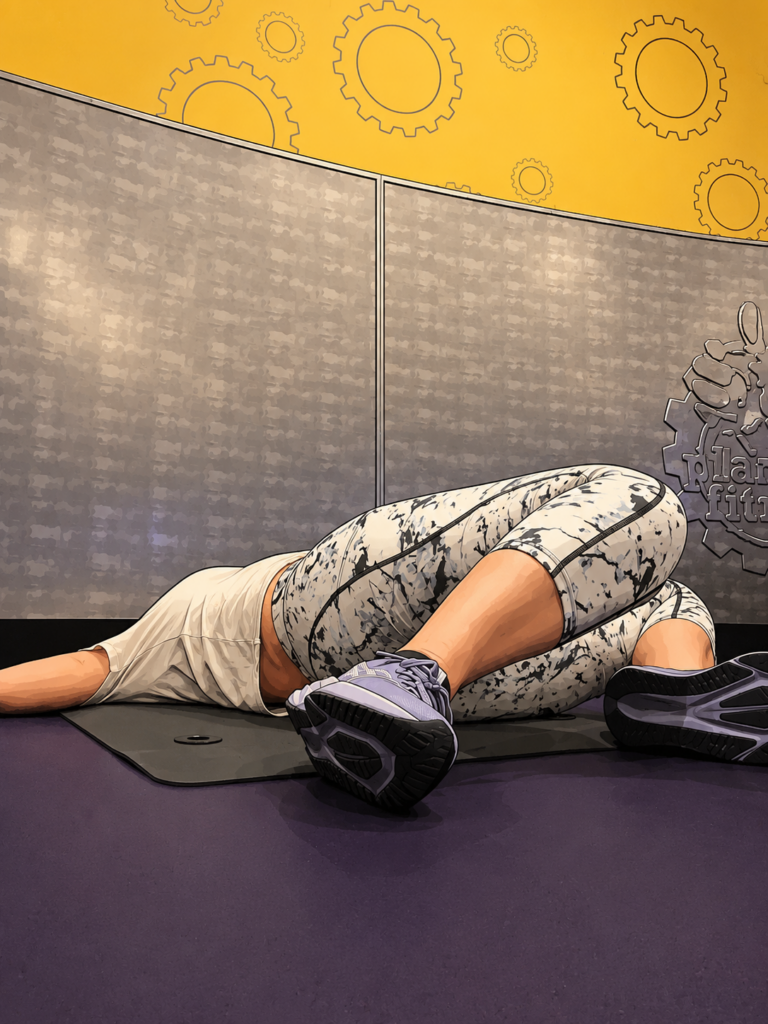
Knees-to-Chest Stretch
This static stretch works the hips, glutes, and lower back, which can help your whole body feel more related. Lay on your back and pull your knees to your chest.
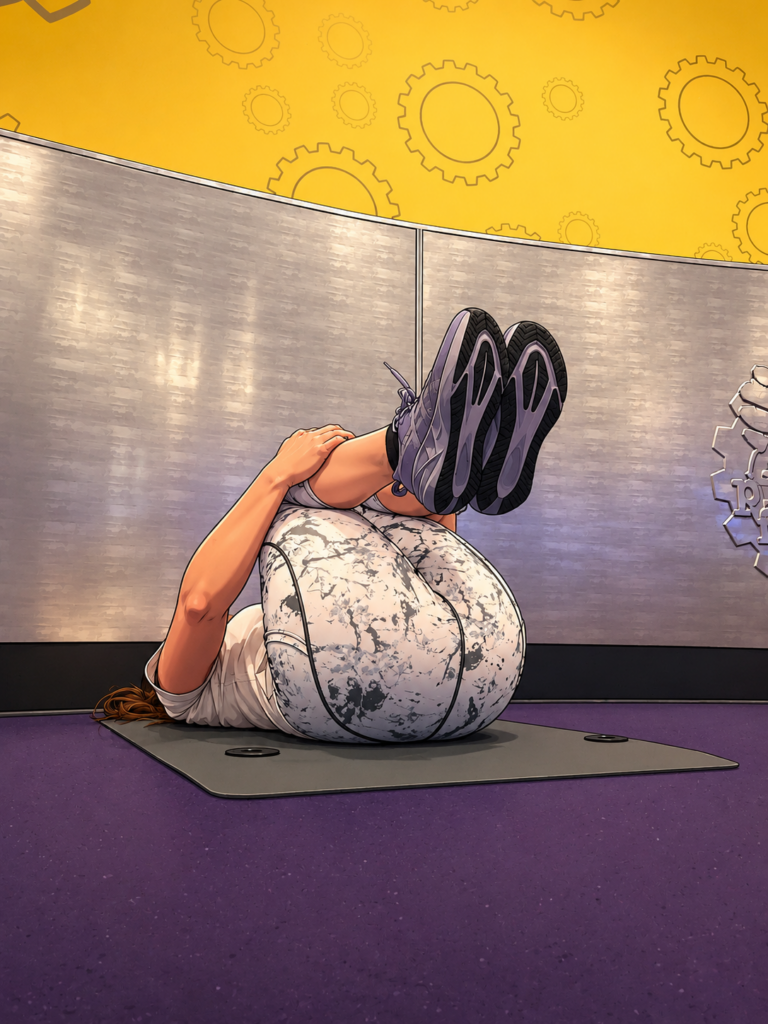
Butterfly Stretch
This stretch is good for hip mobility, and even the lower back if you reach your head down to your toes rather than sitting with your back straight. Sit down with the bottoms of your feet touching, and gently push your knees down to the floor.
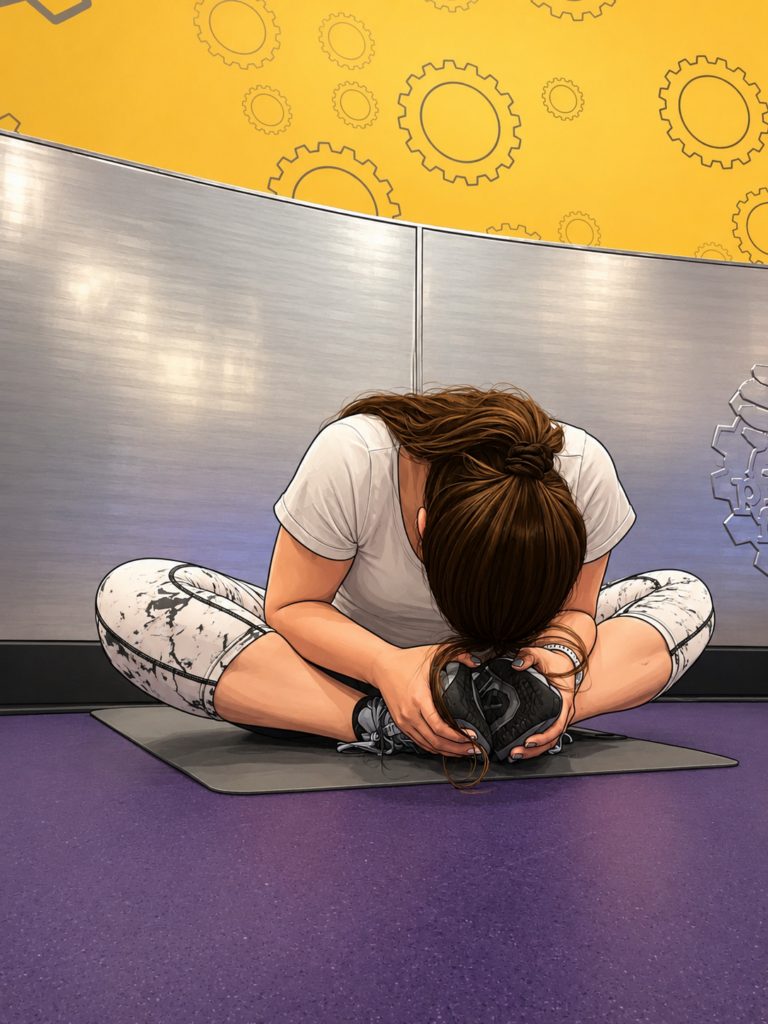
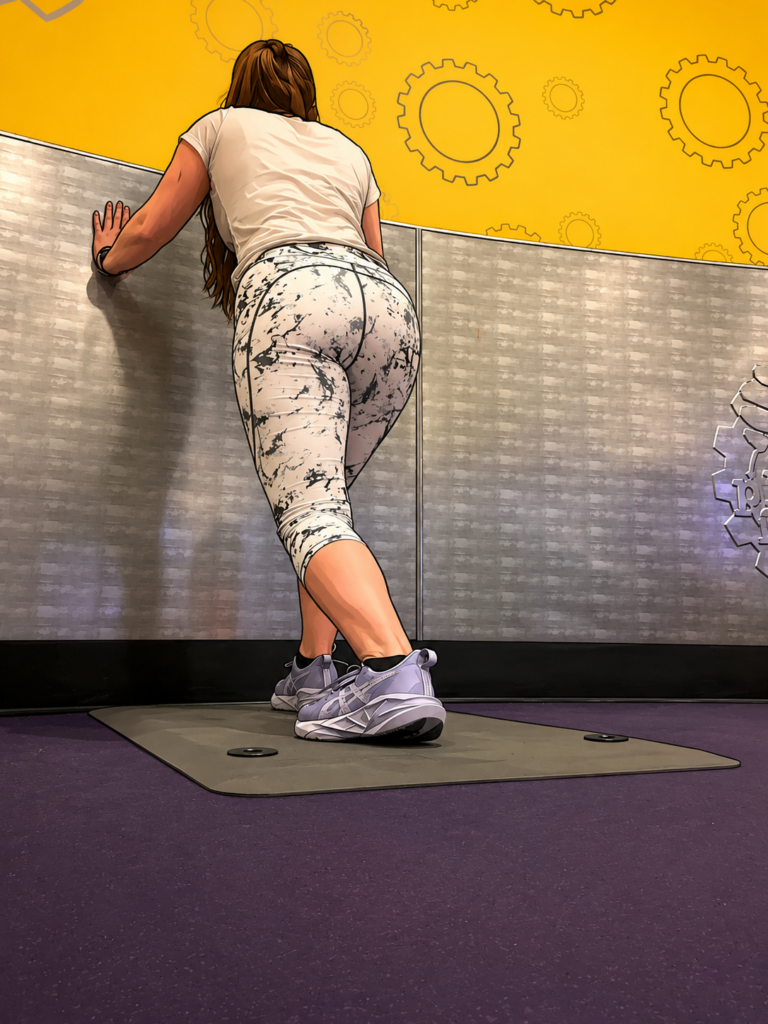
Calf Stretch
Calf stretches are fantastic for knee stress as calf tightness is often a culprit of knee tightness. Calf tightness can also limit ankle movement, which can result in other muscles overcompensating and negatively impact knee positioning. Keep your back heel down and lean forward until you feel a good stretch. Your back leg should be straight.
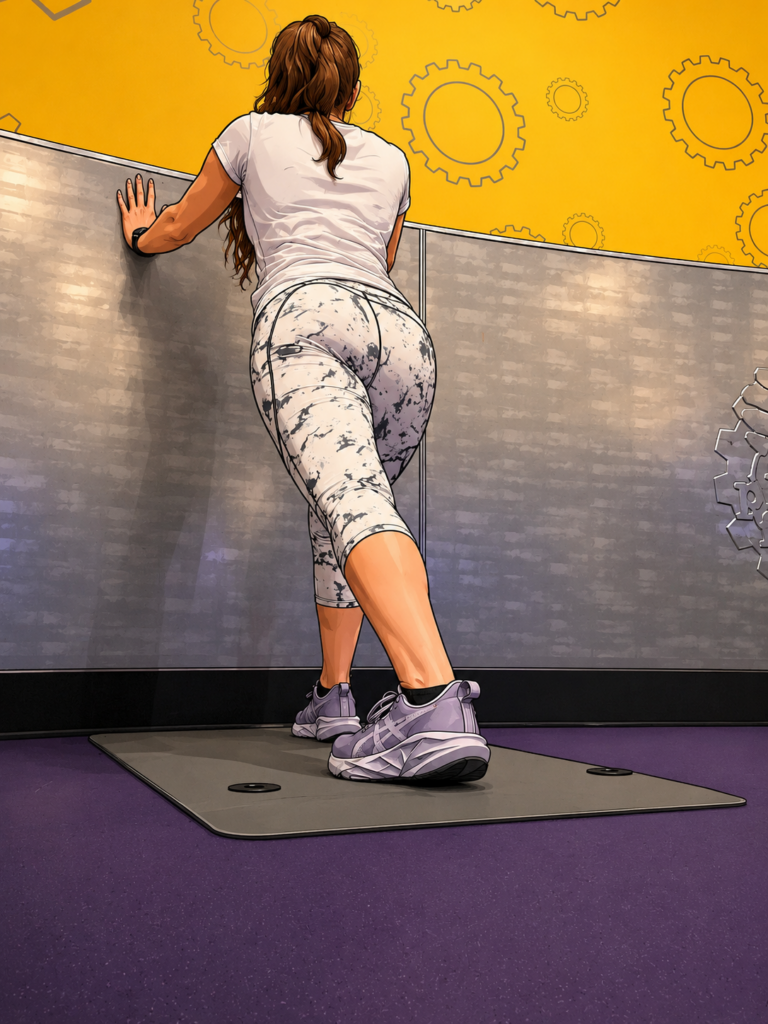
Lower Calf Stretch
This stretch targets the lower calf and Achilles area. The only difference between this and a regular calf stretch is that you will bend the back knee slightly to target the lower calf area. Control the stretch slowly.
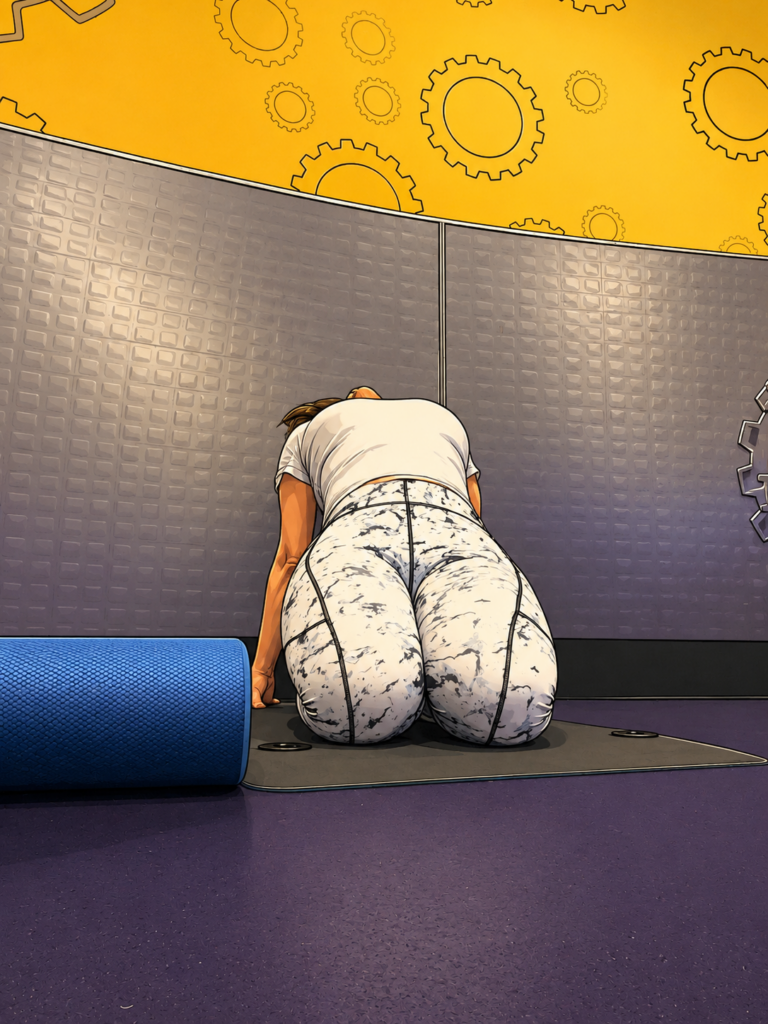
Camel Pose- Deep Stretch Variation
The regular camel pose is performed with knees closer to a 90 degree angle, but this modified camel pose allows for a deeper stretch targeting the thighs and knee area. Sitting on a yoga block rather than on ankles, or sitting up straight rather than bending back, may help if you feel discomfort.
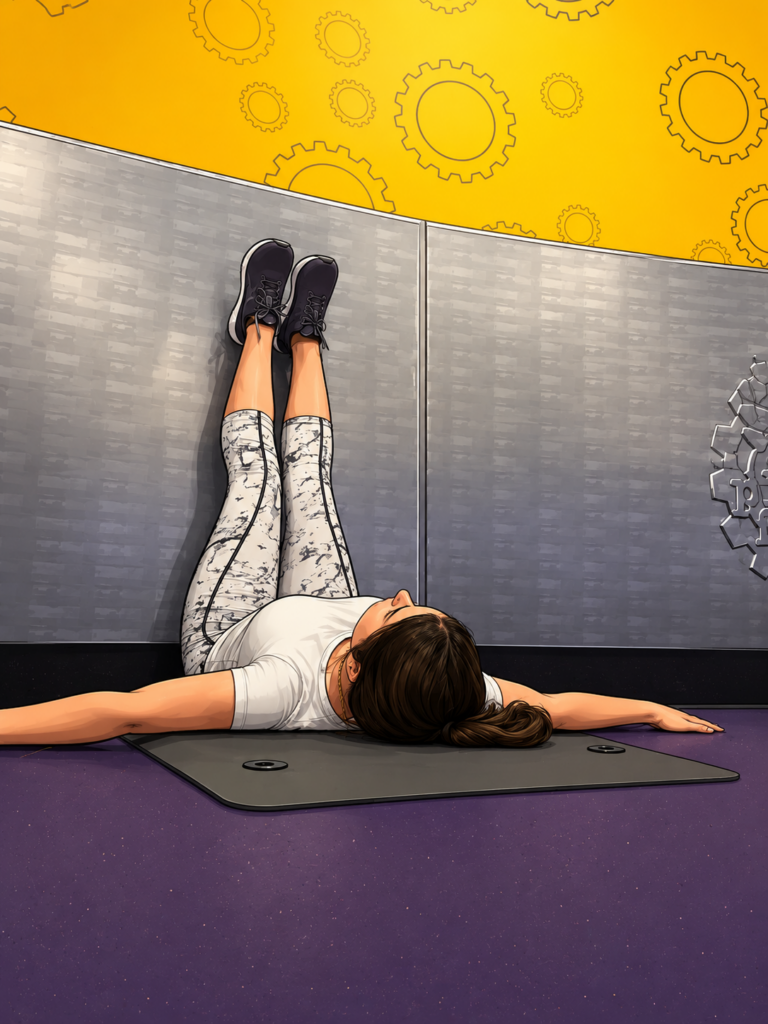
Legs-Up-the-Wall Pose
This static stretch is relaxing for the whole body, especially for the hamstrings and lower back, and helps with blood flow.
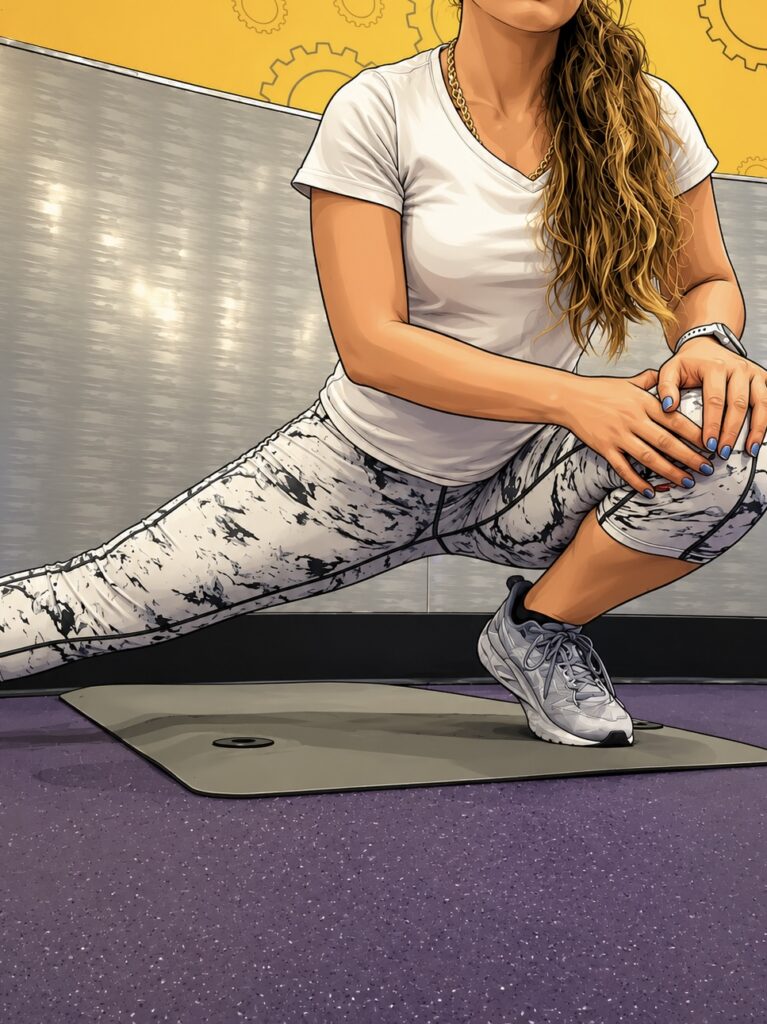
Cossack Squat Hold
This cossack squat hold, essentially a static side lunge, helps improve hip, ankle, and knee mobility. This can also be performed as an exercise instead of just a stretch. This helps with in the side to side (lateral plane) exercise gap most people miss, as front to back (sagittal plane) exercises are the most common.
Foam Roller: Thighs
Rolling out the thighs can help reduce quad soreness and can potentially help to avoid form and knee positioning mistakes that are caused by tightness. Avoid rolling directly over the kneecap.
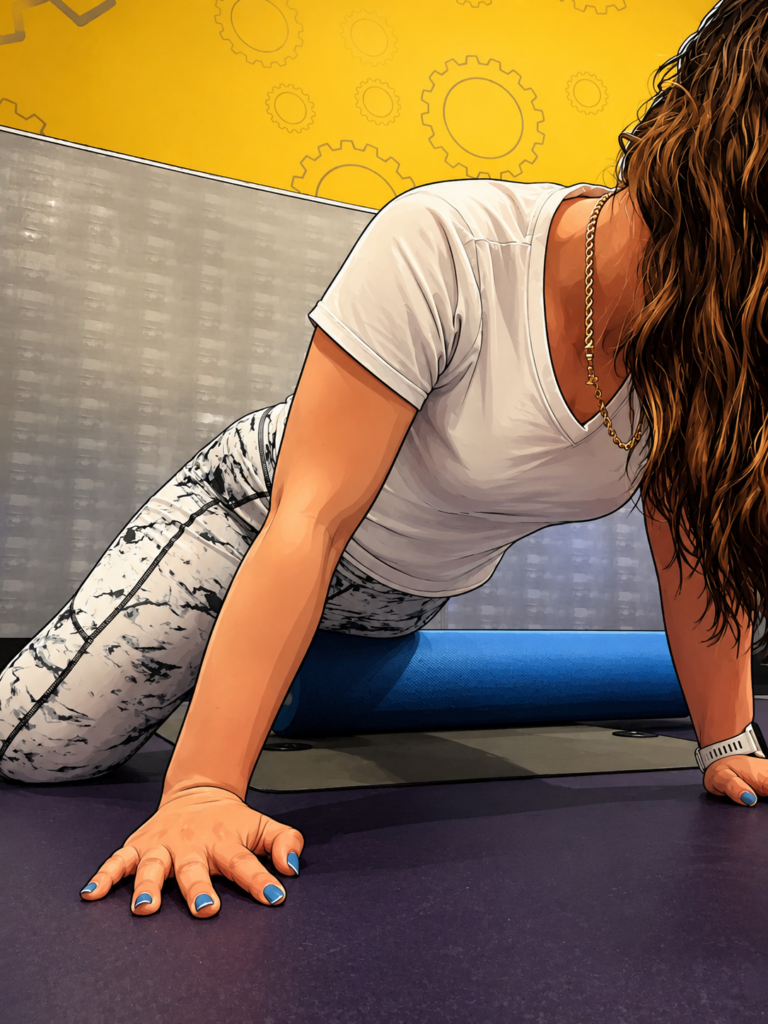
Foam Roller: Hamstrings
Rolling out and loosening muscle tightness in hamstrings can help with knee movement during running and squatting. Avoid rolling directly behind the knee.
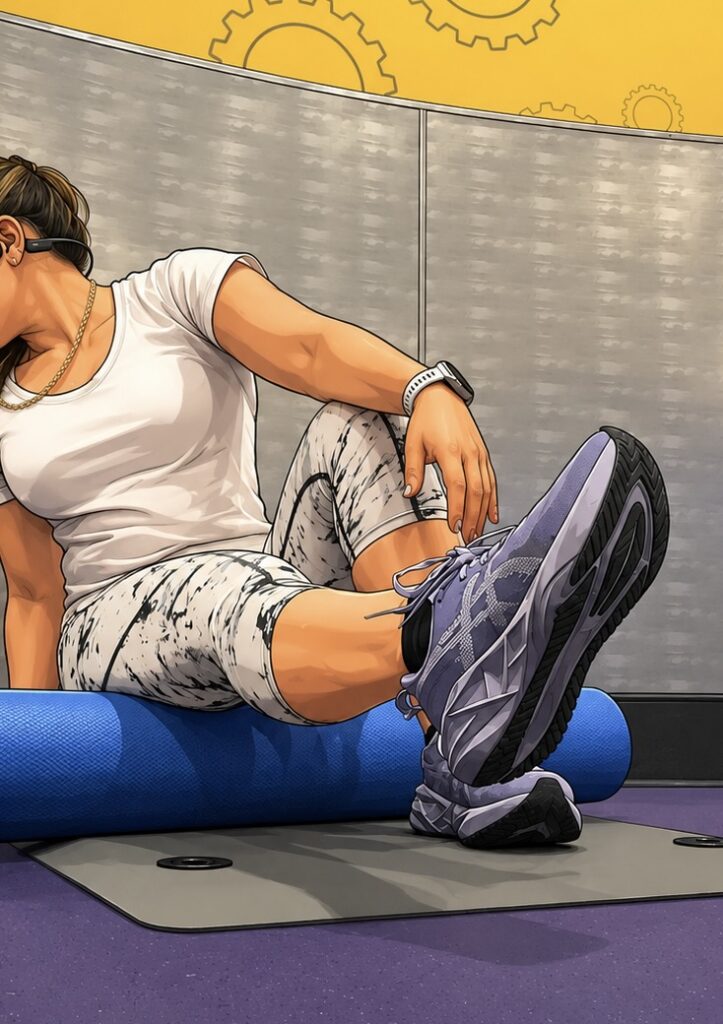
Foam Roller: Hips
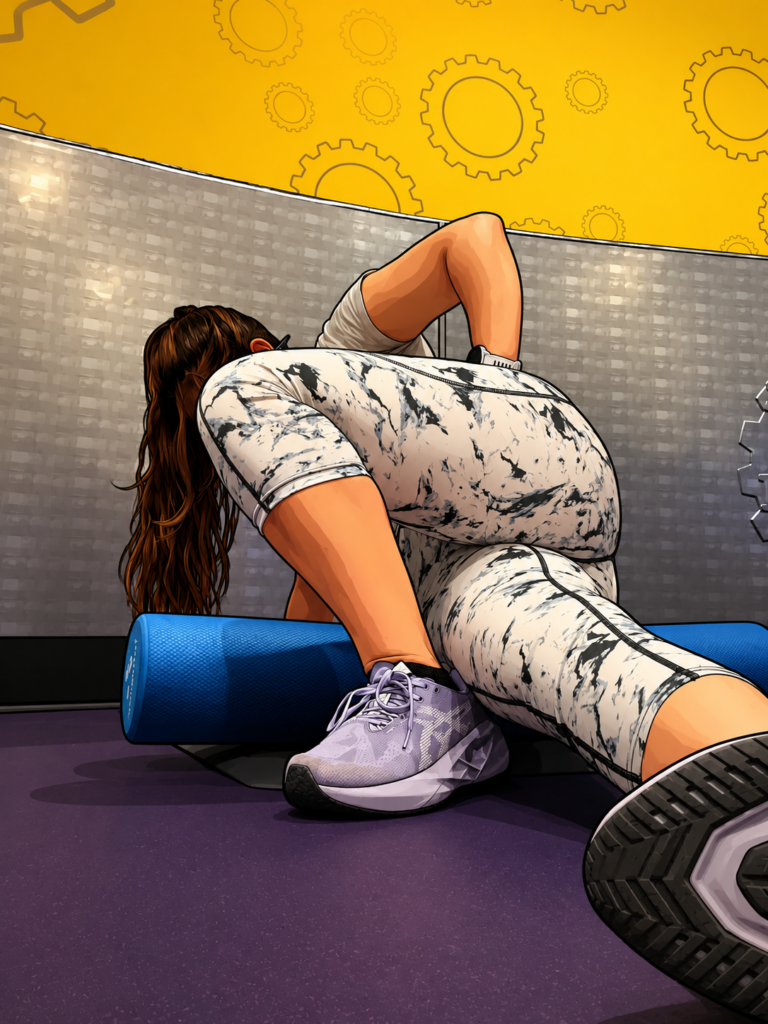
Rolling out and loosening muscle tightness in the hips can positively affect how the knee tracks during running and lifting movements.
For more easy knee strengthening exercises using glute bands, click the link here.
*Talk to your doctor before beginning or modifying any exercise program. Discontinue if you feel discomfort and pain.
*Post contains real photos that have been cartoonized with ChatGPT 5.5 Plus
References
[1] Tung MJ, Lantz GA, Lopes AD, Berglund L. Injuries in weightlifting and powerlifting: an updated systematic review. BMJ Open Sport & Exercise Medicine. 2024;10:e001884. https://doi.org/10.1136/bmjsem-2023-001884